
PBRER vs PSUR: Key Differences Explained
👤 Dr. Sornaraja Thasma | 🗓️ 16 March, 2026 | 📂 Pharmacovigilance

Pharmacovigilance plays a critical role in ensuring that medicines remain safe and effective after they reach the market. Once a drug receives marketing authorization, pharmaceutical companies must continue monitoring its safety profile using structured regulatory reports.
Two of the most important aggregate safety reports used in post marketing pharmacovigilance are the Periodic Safety Update Report and the Periodic Benefit Risk Evaluation Report. Both reports help regulatory authorities evaluate the safety profile of medicinal products and ensure that any emerging risks are identified early.
Although these reports serve a similar purpose in safety monitoring, they differ in scope, analytical depth, and regulatory expectations. Understanding the differences between PBRER and PSUR is essential for pharmaceutical companies responsible for global drug safety compliance.
This article explains how these reports are used in pharmacovigilance, the regulatory evolution that led to the PBRER format, and the key differences between them.
The Role of Aggregate Safety Reports in Pharmacovigilance
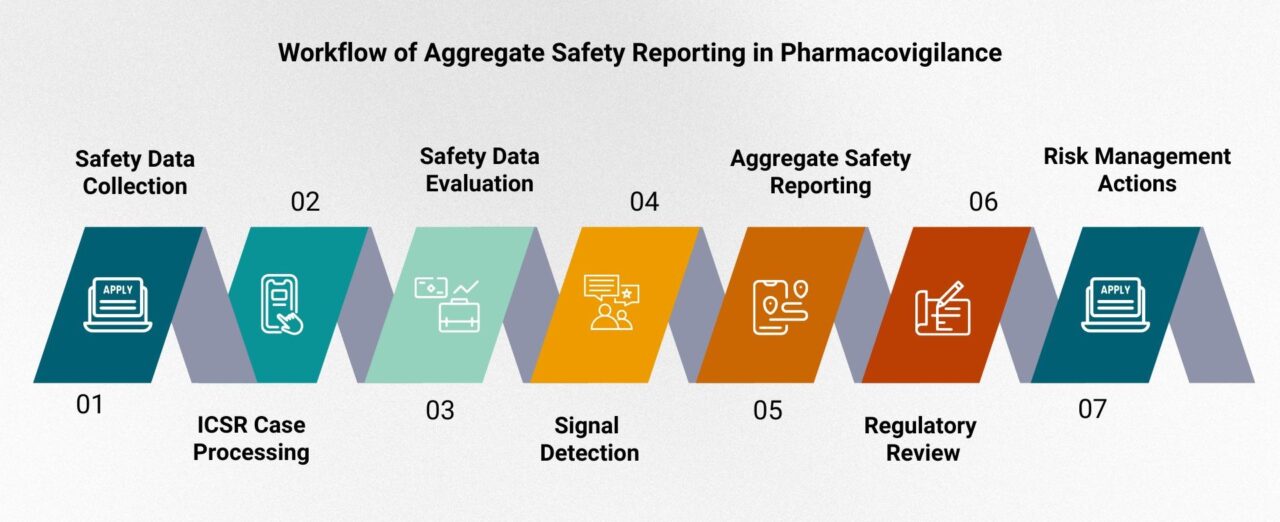
After a medicine enters the market, safety monitoring becomes an ongoing responsibility for pharmaceutical companies. Adverse event reports, clinical trial findings, and real world safety data must be continuously evaluated to ensure that the benefit risk profile of a product remains favorable.Regulatory authorities require Marketing Authorization Holders to submit periodic safety reports summarizing adverse event data, patient exposure information, and safety signal evaluations. These reports allow regulators to assess whether new risks have emerged since the product was approved.
Organizations managing post marketing safety activities often rely on specialized support for aggregate safety reporting and medical writing services, which include preparation of PSURs, PBRERs, risk management plans, and other pharmacovigilance documents.For more information about international pharmacovigilance reporting standards, refer to the guidance published by the International Council for Harmonisation.
What is a Periodic Safety Update Report
A Periodic Safety Update Report is a regulatory document submitted by pharmaceutical companies at defined intervals after a medicinal product receives approval. The purpose of the PSUR is to provide regulators with a comprehensive summary of the safety profile of the product during a specific reporting period.
The report compiles adverse event data collected from various sources such as spontaneous safety reports, clinical studies, post marketing surveillance programs, and scientific literature. The goal is to determine whether any new safety signals or trends have emerged since the previous reporting period.
Typical sections included in a PSUR include
- Summary of reported adverse events
- Evaluation of safety signals
- Patient exposure estimates
- Discussion of risk management activities
- Recommendations for product label updates if necessary
Historically, PSURs were the primary safety reporting format used globally in pharmacovigilance systems.Further information about post marketing safety reporting can be found in regulatory guidance published by the United States Food and Drug Administration
What is a Periodic Benefit Risk Evaluation Report
A Periodic Benefit Risk Evaluation Report represents a more advanced format for aggregate safety reporting introduced through the ICH E2C R2 guideline. The PBRER expands the scope of traditional safety reports by evaluating both the benefits and risks of a medicinal product.Instead of focusing only on adverse event data, the PBRER provides a comprehensive scientific analysis of the overall benefit risk balance of the product. This approach allows regulators to better understand whether the therapeutic benefits of a medicine continue to outweigh potential risks.
A typical PBRER includes
- Cumulative safety data
- Clinical trial outcomes
- Post marketing adverse event reports
- Evaluation of therapeutic benefits
- Integrated benefit risk assessment
The introduction of PBRER reflects a broader shift in pharmacovigilance toward evaluating the total clinical value of medicines rather than focusing solely on safety events.Pharmaceutical companies preparing these reports often combine safety data from ICSR case processing services to ensure that individual adverse event reports are accurately analyzed before being included in aggregate assessments.
Evolution from PSUR to PBRER
As pharmacovigilance systems matured, regulators recognized that simply collecting safety data was not sufficient to evaluate a medicine’s real world impact. Safety risks must always be considered in relation to therapeutic benefits. To address this need, the ICH introduced the PBRER format to enhance global pharmacovigilance reporting. The updated framework emphasizes structured benefit risk analysis and encourages a more comprehensive evaluation of available scientific evidence.
Today, many regulatory authorities accept the PBRER format as the preferred approach for periodic safety reporting. However, the term PSUR is still widely used in regulatory discussions and some regional reporting systems.Companies responsible for global safety monitoring often integrate aggregate reporting with pharmacovigilance consulting services that support regulatory intelligence, safety strategy development, and compliance planning.
Key Differences Between PBRER and PSUR
Although both reports support post marketing safety monitoring, their scope and analytical focus differ significantly.
| Aspect | PBRER (Periodic Benefit Risk Evaluation Report) | PSUR (Periodic Safety Update Report) |
|---|---|---|
| Primary Objective | Evaluates the overall benefit risk balance of a medicinal product using cumulative evidence. | Provides periodic updates on the safety profile of a medicinal product. |
| Focus of Evaluation | Includes both therapeutic benefits and safety risks. | Focuses primarily on adverse event reporting and safety data. |
| Regulatory Framework | Introduced under the ICH E2C R2 guideline to standardize benefit risk reporting globally. | Originated from earlier pharmacovigilance reporting frameworks. |
| Scope of Data | Integrates cumulative safety data, clinical trial findings, and real world evidence. | Summarizes safety information collected during the reporting interval. |
| Benefit Risk Assessment | Includes detailed evaluation of the benefit risk profile. | Limited emphasis on benefit risk evaluation. |
| Regulatory Use | Widely accepted by global regulators as the modern reporting format. | Still used in some regulatory systems or legacy frameworks. |
| Strategic Role | Supports long term evaluation of the safety and effectiveness of medicines. | Functions mainly as a periodic safety update report. |
Importance of Accurate Aggregate Reporting
Aggregate safety reports play a crucial role in identifying emerging safety signals and protecting patient health. When safety data from thousands of adverse event reports is analyzed collectively, regulators can detect trends that may not be visible in individual case reports.These reports support several critical pharmacovigilance activities including signal detection and safety monitoring, regulatory decision making, risk management planning, product label updates, and global pharmacovigilance compliance.
Accurate aggregate reporting depends on high quality safety data. Many pharmaceutical organizations therefore integrate aggregate reporting with signal detection and risk management services to ensure that emerging risks are identified and evaluated effectively.
Challenges in Preparing PSUR and PBRER Reports
Preparing aggregate safety reports requires collaboration across pharmacovigilance, regulatory affairs, clinical teams, and medical writers. As drug portfolios grow and safety datasets become larger, preparing these reports becomes increasingly complex.
Common challenges include
- Managing large volumes of safety data
- Integrating data from multiple safety sources
- Maintaining consistency across global submissions
- Ensuring accurate benefit risk evaluation
- Meeting strict regulatory submission timelines
These challenges are one reason why many pharmaceutical companies partner with specialized providers offering pharmacovigilance support and regulatory consulting.
The Future of Pharmacovigilance Reporting
Pharmacovigilance reporting continues to evolve as regulators place greater emphasis on scientific analysis and patient safety outcomes.Several emerging trends are shaping the future of aggregate safety reporting. These include the integration of real world evidence, advanced signal detection technologies, global harmonization of safety reporting standards, automation in safety databases, and greater focus on benefit risk evaluation.These developments highlight the growing importance of structured reports such as the PBRER in modern pharmacovigilance systems.
Conclusion
Both PBRER and PSUR are essential pharmacovigilance reports that support regulatory oversight of medicines after they enter the market.While the PSUR focuses primarily on safety updates and adverse event reporting, the PBRER provides a more comprehensive evaluation by integrating safety data with therapeutic benefits. This broader approach allows regulators to better assess whether the benefit risk balance of a medicine remains favorable for patients.
As pharmacovigilance continues to evolve globally, the shift toward benefit risk evaluation reflects the pharmaceutical industry’s commitment to improving drug safety monitoring and protecting public health.For organizations managing global pharmacovigilance programs, effective aggregate reporting remains a cornerstone of regulatory compliance and responsible drug development.
Read More: PSUR and DSUR in Pharmacovigilance Quick Guide
Frequently Asked Question
What is the difference between PBRER and PSUR?
What is a PBRER in pharmacovigilance?
What is a PSUR in pharmacovigilance?
When is a PBRER required by regulators?
Is PBRER replacing PSUR in pharmacovigilance?
Who prepares PSUR and PBRER reports?
Why are PBRER and PSUR important in pharmacovigilance?
Recent Posts
- PV Audit Preparation Frameworks for International Auditors July 21, 2026
- Pharmacovigilance Outsourcing Services: A Strategic Advantage for Pharmaceutical and Biotech Companies July 16, 2026
- ICSR Processing Optimization for Multi-Country Submissions July 13, 2026
- PSUR Harmonization Across FDA, EMA, and CDSCO Requirements July 1, 2026
- A Sponsor’s Guide to Signal Detection for IND, NDA, BLA, and Post Marketing Programs June 22, 2026

Categories

Archives